Passive Acoustic Counter-UAS
Detect Drones Where Others Go Blind
DroSonic uses passive acoustic sensing and edge AI to detect drones where radar and RF systems fail: in electronically contested environments.
DroSonic uses passive acoustic sensing and edge AI to detect drones where radar and RF systems fail: in electronically contested environments.
Every drone has spinning propellers. The acoustic signature is fundamental physics that cannot be silenced, jammed, or spoofed.
Listens to propeller acoustics without active emissions or spectrum license requirements.
Compressed neural networks run locally on each node, eliminating cloud dependency.
Detects and classifies threats in milliseconds using on-device processing.
Works where RF-jammed, GPS-denied, and electronically contested.
Scenarios where traditional detection systems have coverage gaps.

Forward operating bases and perimeter security in contested RF environments.

Power plants, airports, water treatment, and fuel depots vulnerable to drone intrusion.

Distributed linear arrays for extended perimeter protection and remote deployments.
Strategic partnerships accelerating development and market access.











DroSonic combines passive acoustic sensing with edge AI to solve a critical gap in modern drone defense. We focus on one problem: detecting drones in scenarios where traditional detection technology fails.
Our approach leverages the fundamental physics of drone propellers. Acoustic signatures cannot be switched off, jammed, or spoofed, enabling detection in electronically contested environments where RF and radar systems provide no coverage.
Learn Our Story →Straight answers about passive acoustic drone detection and where DroSonic stands today.
DroSonic is a passive acoustic drone detection system built by Koraiio LLC in Denver, Colorado. It uses microphones and edge AI to detect, classify, and locate drones by the sound of their propellers, without emitting any radio or radar signal.
Every drone's spinning propellers produce an acoustic signature that cannot be switched off. DroSonic sensor nodes listen for that sound, classify it with compressed neural networks running locally on each node, and fuse GCC-PHAT time-difference-of-arrival measurements across a distributed network of nodes to locate the drone.
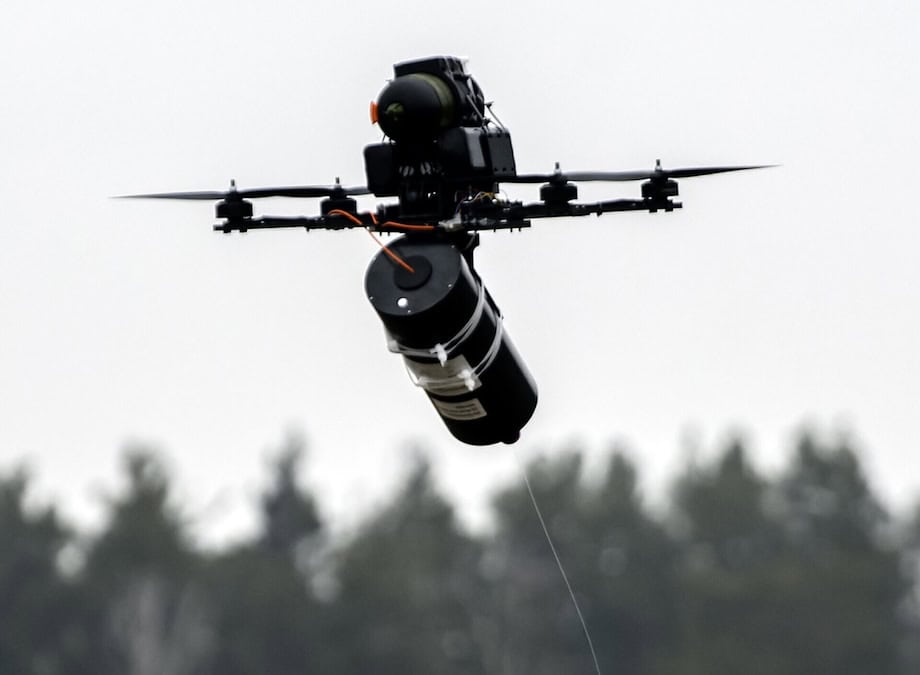
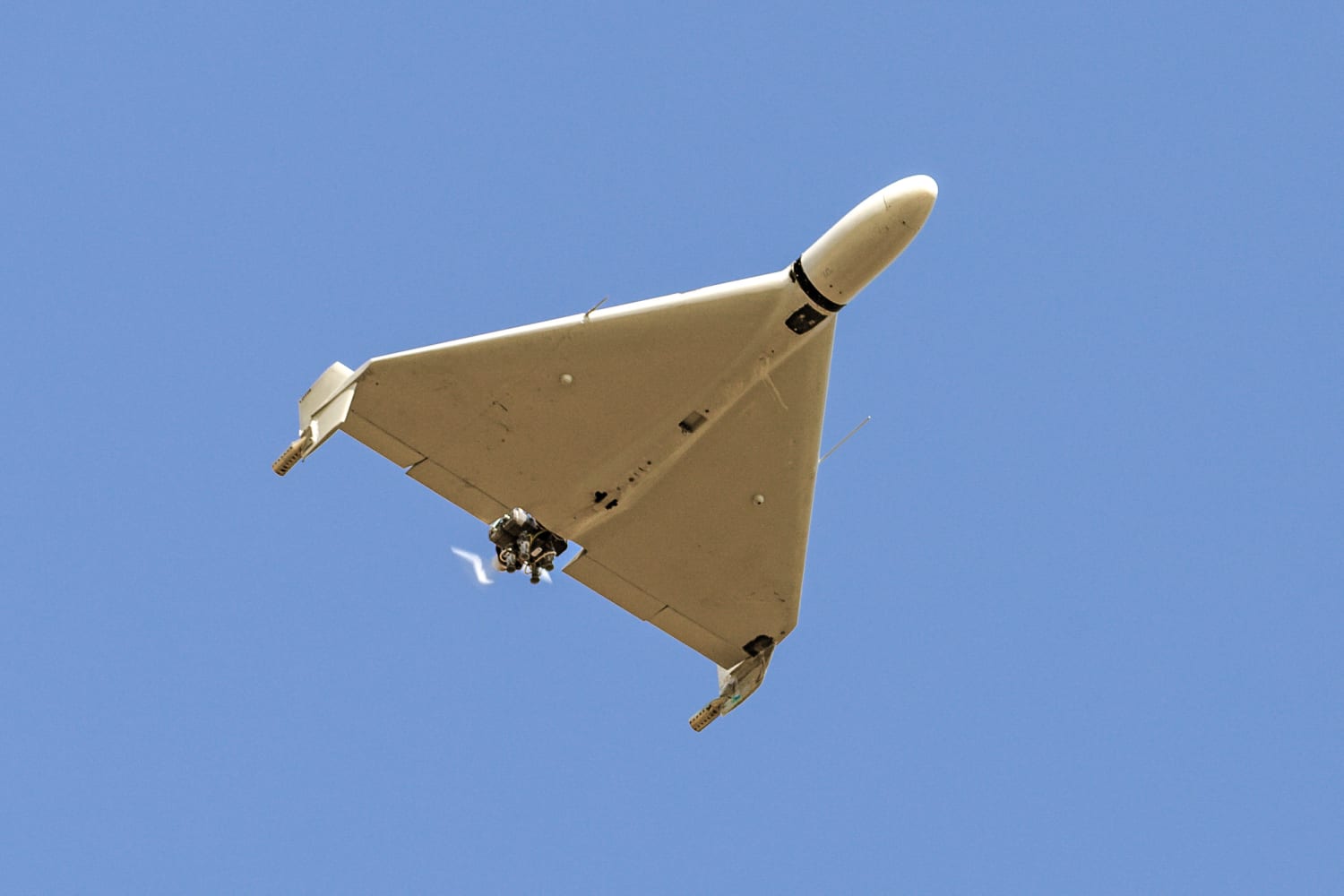
Yes. Because DroSonic listens for propeller sound rather than a radio link, it is designed to detect drones that emit no RF at all, including fiber-optic guided drones and fully autonomous pre-programmed drones that RF detectors and jammers cannot see.
No. Detection is passive, so there are no emissions and no spectrum license is required. Classification runs on edge hardware inside each node with no cloud dependency, and the node network degrades gracefully if nodes lose connectivity.
Yes. In September 2026 a DroSonic prototype was tested against live drones at DIRT Days 26.04, a field exercise supported by the Civil-Military Innovation Institute (CMI2) with U.S. Central Command and U.S. Army DEVCOM. DroSonic is now working toward field demonstrations with operational partners. Read about the field test.
DroSonic targets military bases and forward operating base perimeters, critical infrastructure such as power plants, airports, water treatment, and fuel depots, and border and perimeter security, especially in electronically contested or GPS-denied environments.
Yes. Koraiio LLC, the company behind DroSonic, is registered for U.S. federal contracting: SAM.gov active, CAGE code 20L04, UEI JHAPZ8QKD8K9, primary NAICS 541715. See registration details.
We're speaking with DoD program offices, defense integrators, and investors evaluating counter-UAS technology.
You can find us in
Denver, Colorado